Coral Verification and KYC
 Available in GB
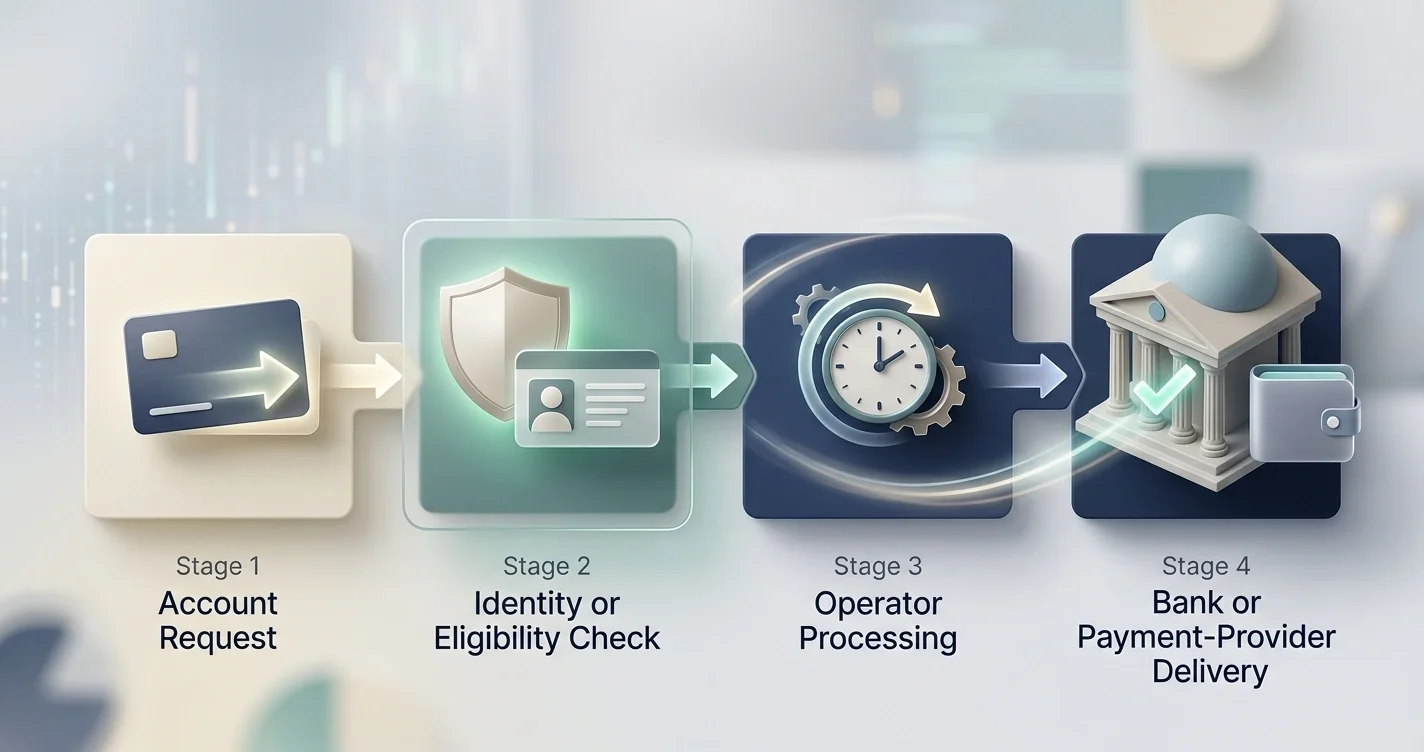
Updated: 11 September 2026. Coral requires age and identity verification and says all customers are verified. In many cases the checks are automated, but Coral can request documents when additional evidence is needed. Its current KYC material lists identity documents such as a passport, photocard driving licence or ID card and, where relevant, address or financial evidence. Those are examples of what Coral may request, not a universal checklist that every customer must submit.
Coral’s Advanced Player Protection page also separates ordinary KYC from later source-of-funds checks. It currently says requested documents are normally reviewed in no longer than 24 hours, which is a normal processing target rather than a guarantee. For the account-opening sequence before these deeper checks, see the Coral registration guide. For the broader casino product context, use the Coral Casino overview.
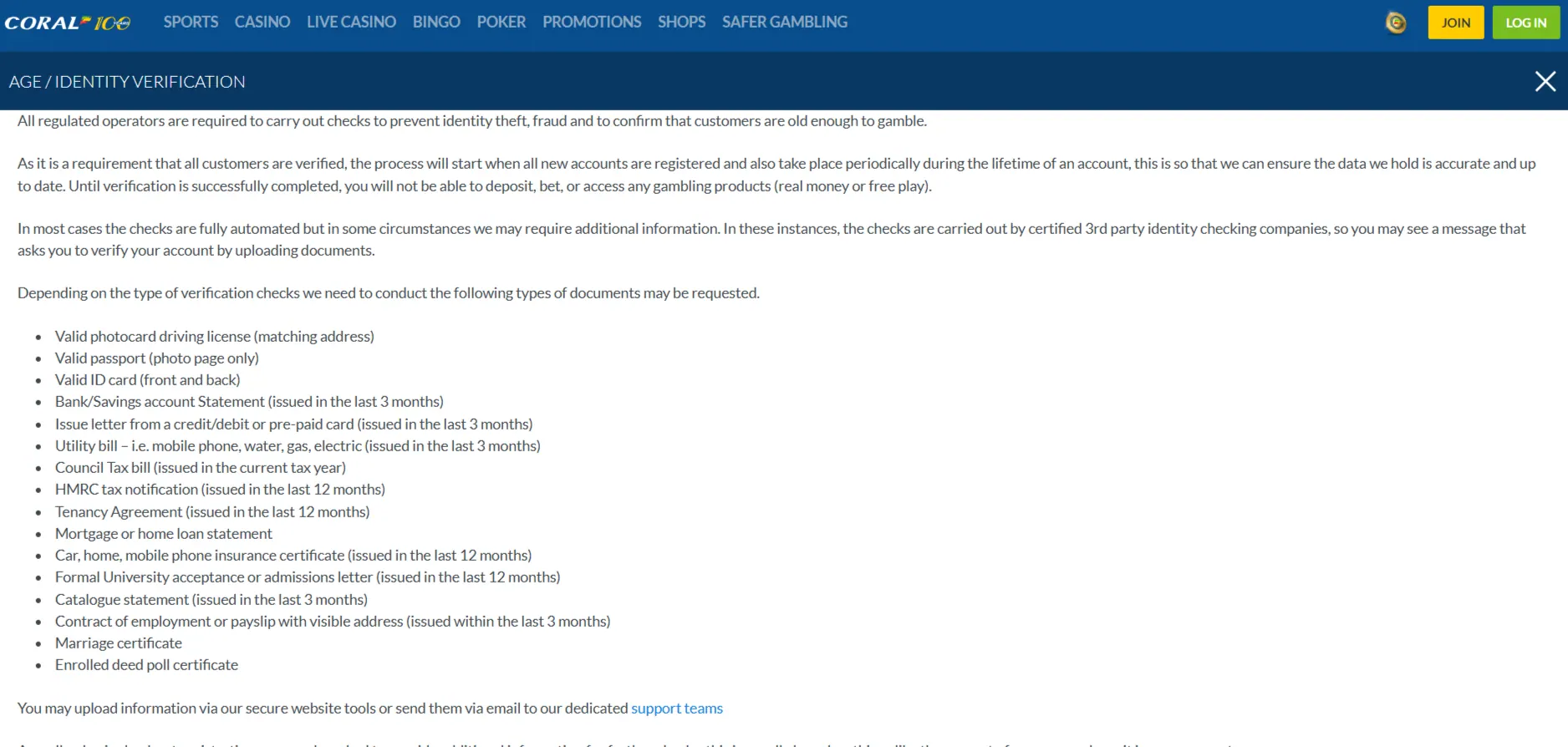
Table of Contents
- Three layers that are easy to confuse
- What Coral says about basic KYC
- Identity documents Coral may request
- Address and financial evidence examples
- How long does Coral verification take?
- Source-of-funds checks are a separate stage
- Financial vulnerability checks in Great Britain
- Financial Risk Assessments: announced, but Stage 1 is not yet given a start date
- What to do when Coral asks for documents
- Verification and the wider licence context
- Coral KYC FAQs
Three layers that are easy to confuse
Coral verification is easier to understand when three different layers are kept separate. They can interact, but they do not mean the same thing.
| Layer | Purpose | Current Coral or UKGC position |
|---|---|---|
| Basic age and identity verification | Confirm who the customer is and that the account can be activated | Coral says all customers are verified and access remains restricted until verification succeeds |
| Additional KYC or source-of-funds evidence | Resolve a specific identity, address or funds question | Coral can request documents and may request source-of-funds information in some circumstances |
| UKGC financial-protection checks | Identify specified indicators of financial vulnerability or, in the future staged FRA framework, financial difficulty at high spend | These are regulatory frameworks and should not be described as the same thing as Coral’s ordinary identity verification |
This distinction prevents two common errors: assuming every customer must provide a full document pack at sign-up, and calling every financial-protection check an “affordability check” or a standard KYC check.
What Coral says about basic KYC
Coral’s current KYC page says the verification process starts when new accounts are registered and can also occur periodically during the lifetime of an account. The stated purpose is to confirm customer identity and age and to keep account data accurate and up to date.
Coral also states that, until verification is successfully completed, a customer cannot deposit, bet or access gambling products. That makes verification an activation requirement, not an optional account enhancement. In most cases Coral says the checks are fully automated. If more information is needed, an account can be asked to upload documents.
The practical implication is that “KYC required” does not mean “everyone uploads the same file”. It means Coral must complete the checks it requires for that account, using automated verification where possible and additional evidence where necessary.
Identity documents Coral may request
The current official Coral KYC page lists several identity documents that may be requested depending on the type of check. The core identity examples include:
- a valid photocard driving licence;
- a valid passport;
- a valid ID card.
Coral’s Advanced Player Protection guidance similarly describes passport, ID card or driving-licence evidence when identity and address need to be confirmed. A document request should be followed as presented in the account because the type of evidence needed depends on what Coral is trying to verify.
These are examples rather than a universal upload list. Coral’s own KYC page says the documents depend on the type of verification checks being conducted.
Address and financial evidence examples
If address evidence or another supporting document is required, Coral’s current KYC page lists examples including bank or savings-account statements, utility bills, council-tax bills, HMRC tax notifications, tenancy agreements, mortgage or home-loan statements and certain other recent formal documents. Some categories have freshness requirements on the official page, such as statements or bills issued within a specified recent period.
The correct document is the one that satisfies the request shown by Coral. Do not assume that a document accepted for one account, address situation or verification purpose will automatically satisfy a different request. Follow the live KYC page and the message shown in the account for the current requirement.
Because these document categories can change, check the current official Coral KYC page before relying on a fixed document list.
How long does Coral verification take?
Coral’s current Advanced Player Protection page says that, after requested verification documents are submitted, review normally takes no longer than 24 hours. That was Coral’s published wording on 11 September 2026.
The word “normally” matters. It is Coral’s current standard wording, not a guaranteed deadline for every account or every type of review. A case that needs more information, contains unclear evidence or moves into a different review category can take a different path. It is not a guarantee that every verification will be completed inside 24 hours.
If verification is relevant to a payout, see the separate Coral withdrawals guide. It explains why a withdrawal process should not be reduced to a single payout-time promise when account checks may also be involved.
Source-of-funds checks are a separate stage
Coral’s Advanced Player Protection page says that, from time to time, customers can be asked to provide information about the source of their funds. The purpose is to establish that the money used to gamble comes from legitimate sources and to support the operator’s regulatory and player-protection obligations.
A source-of-funds request is not the same as basic identity verification. It can involve evidence about where money came from rather than simply who the customer is or where they live. Coral’s official material gives examples of financial evidence categories, but the exact request should be followed as presented to the individual account.
This page does not give advice on how to avoid, minimise or structure activity around such checks. If Coral asks for evidence, the appropriate action is to provide genuine information through the official channel or contact official support if the request is unclear.
Financial vulnerability checks in Great Britain
UK Gambling Commission financial vulnerability checks are a separate regulatory control. From 28 February 2025, the relevant threshold in the current LCCP condition is when a remote customer’s deposits minus withdrawals exceed £150 in a rolling 30-day period, subject to the rule’s exceptions, including where a qualifying check or assessment has already been completed in the previous 12 months.
The check is designed around specified public-record indicators of potential financial vulnerability, including matters such as bankruptcy orders and certain court or debt-related records. It should not be described as a normal Coral document-upload request, and it should not be confused with the future staged Financial Risk Assessment framework.
The useful distinction for a customer is purpose: ordinary KYC confirms identity and age; a financial vulnerability check looks for specified public-record vulnerability indicators; a source-of-funds request asks for evidence about the origin of funds in circumstances where Coral requires it.
Financial Risk Assessments: announced, but Stage 1 is not yet given a start date
On 7 July 2026, the Gambling Commission announced a staged approach to Financial Risk Assessments. The current announcement says Stage 1 is intended for the largest operators at very high spend levels. The stated thresholds are net deposits exceeding £5,000 in a rolling 24-hour period for customers aged 25 or over and £2,500 for higher-risk groups such as customers under 25.
As of 11 September 2026, the Commission said the Stage 1 start date would be confirmed after engagement with implementation groups and stakeholders. Stage 1 was therefore not yet live on that date. The announcement also sets lower thresholds for a later final stage, but interim stages and implementation timing remain part of the staged programme.
Financial Risk Assessments are not simply another name for Coral KYC. Their policy purpose is to identify high-spending customers in current financial difficulty using a separate regulatory framework.
What to do when Coral asks for documents
- Read the exact request. Identify whether Coral is asking for identity, address or financial/source-of-funds evidence.
- Use the official upload route or channel shown by Coral. Do not send sensitive documents to a third-party review site or an unofficial contact.
- Provide clear, genuine evidence. Avoid cropped or altered material that removes information Coral has specifically asked to verify.
- Allow for review rather than assuming instant approval. Coral currently says requested documents are normally reviewed within 24 hours, not that every case is guaranteed to finish within that period.
- Respond to follow-up requests directly. If the account needs another document, use the official account or support process rather than opening another account.
If you are still deciding how to fund a verified account, the Coral payment methods guide covers payment categories without turning a KYC request into a payment-method claim.
Verification and the wider licence context
KYC, source-of-funds controls and financial-protection rules are part of a wider regulated environment, but they should not be used as a shortcut for broad claims such as “completely safe” or “risk free”. Those phrases are not meaningful regulatory conclusions.
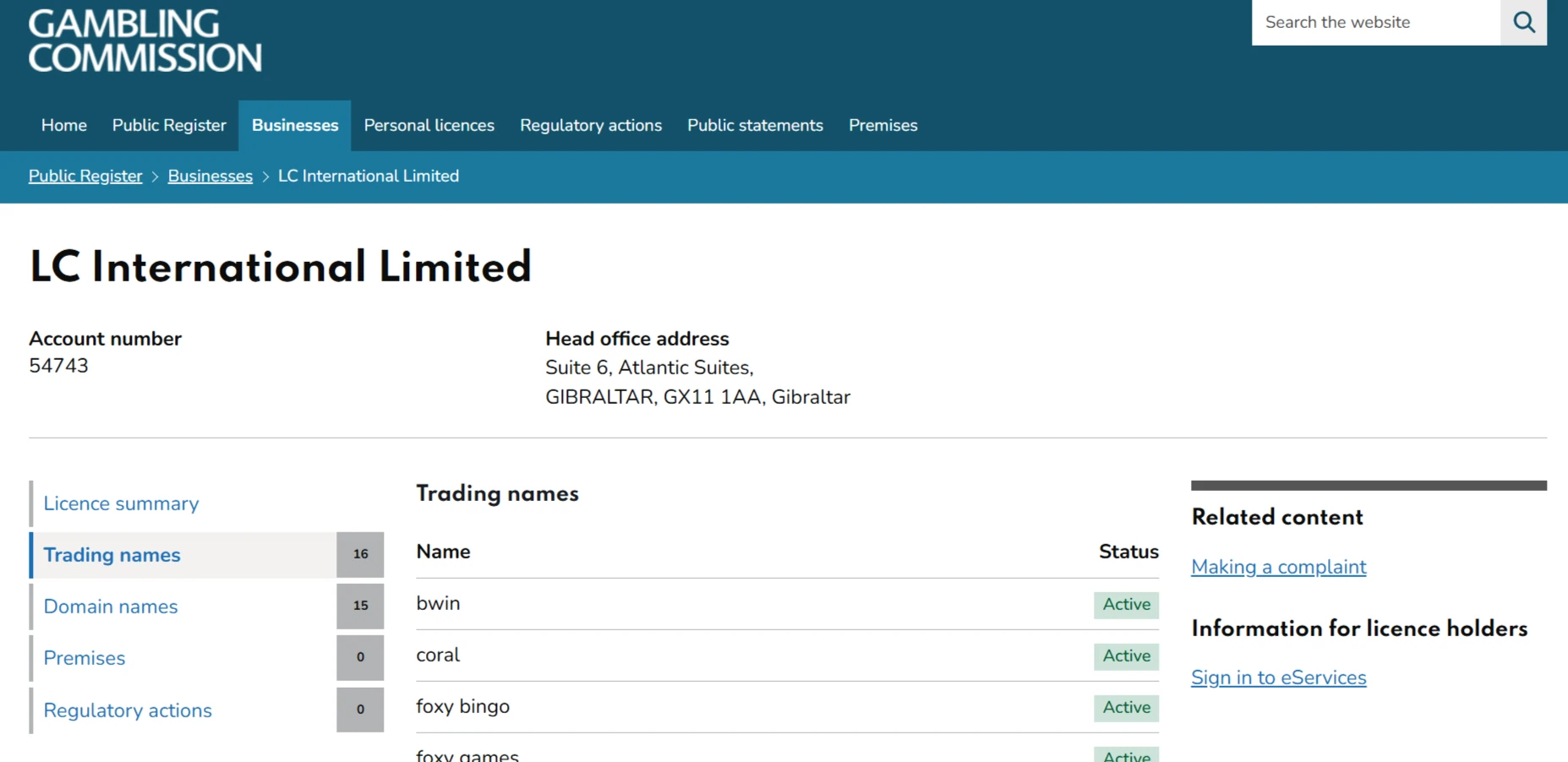
For Coral’s operator identity, current UKGC record and the scope of its Great Britain licence, use the Coral licence and safety guide. Those regulator records answer a different question from a live account verification request.
Coral KYC FAQs
Does every Coral customer have to be verified?
Yes. Coral says all customers are verified, although many checks are automated and not every customer is asked to upload the same documents.
What ID can Coral ask for?
Current Coral KYC material lists examples including a valid passport, photocard driving licence and ID card. The exact document request depends on the check being carried out.
Can Coral ask for proof of address?
Yes. Coral lists a range of address and financial-document examples that can be requested where needed, including recent bank statements and utility bills.
Is Coral verification guaranteed within 24 hours?
No. Coral currently says requested documents are normally reviewed in no longer than 24 hours. That is a normal target, not a guarantee for every case.
Can Coral ask where my gambling funds came from?
Yes. Coral’s Advanced Player Protection material says source-of-funds information can be requested in some circumstances.
Is the £150 UKGC financial vulnerability check the same as KYC?
No. The £150 rolling-30-day rule is a separate financial-vulnerability control based on specified public-record indicators. Ordinary KYC is focused on identity and age verification.
Are the new Financial Risk Assessments already live?
The Commission announced staged implementation in July 2026, but as of 11 September 2026 it had not confirmed the Stage 1 start date. Check the latest Commission position for any later implementation update.
Created by the ”Coral Casino” editorial team.